
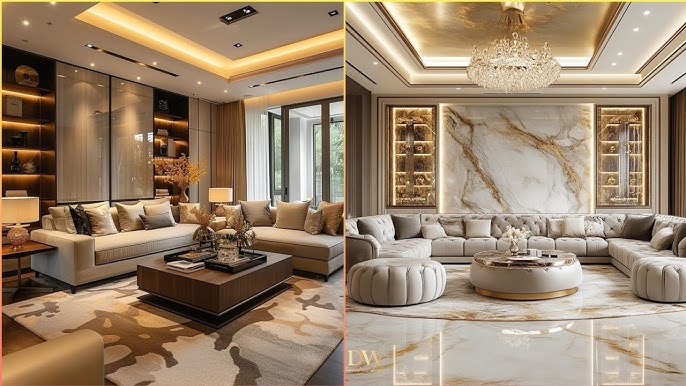

Interior design has entered a transformative era where the emotional and sensory impact of a space is prioritized just as highly as its visual appearance. One of the most influential approaches emerging in luxury design is sensorial layering. This method focuses on engaging multiple senses simultaneously, shaping interiors that not only look elegant but feel immersive, comforting, and deeply personal.
Unlike traditional design methods that center purely on aesthetics, sensorial layering embraces the idea that design should trigger sensory memory, influence mood, and enhance daily living. It blends tactile materials, nuanced lighting, acoustic balance, spatial scenting, and curated color stories to form living environments that evoke a specific emotional atmosphere. Instead of asking, “How does this space look?”, the new question becomes, “How does this space make you feel?”
Understanding Sensorial Layering in Interior Spaces
Sensorial layering is the art of creating a complete sensory environment within a room. It is both detailed and intuitive, requiring an understanding of how materials, forms, and sensory cues interact. Each decision—whether a textured wall finish or a subtly diffused fragrance—is made to support emotional resonance.
Core Components of Sensorial Layering
-
Texture and Touch: Surfaces purposely selected for tactile contrast and interaction.
-
Lighting Atmosphere: Layered lighting that shifts in tone and brightness throughout the day.
-
Sound and Acoustics: Consideration of echoes, softness, and ambient noise to cultivate calm or energy.
-
Color Psychology: Colors chosen not only for harmony but for the moods they evoke.
-
Material Authenticity: Natural materials used to create grounding and warmth.
-
Scent Identity: The intentional use of fragrance to shape emotional memory.
Each layer must complement the others to create a cohesive sensory narrative.
The Emotional Impact of Material Selection
Materiality is a driving factor in sensorial design. Choosing the right materials can define the emotional tone of a room. Soft fabrics such as boucle, suede, or velvet encourage relaxation, while polished stone or brushed steel communicates clarity and sophistication. The goal is not uniformity but contrast with intention.
Examples of Emotional Influence Through Materials
-
Wood introduces warmth, familiarity, and grounding presence.
-
Marble creates a sense of permanence and elegance.
-
Limewash and microcement finishes add movement and organic softness to walls.
-
Natural textiles foster a sense of ease and authenticity.
When materials feel “alive” or tactile, they enhance our connection to our surroundings in a way smooth, synthetic surfaces rarely achieve.
Lighting as a Sensory Sculptor
Lighting does more than illuminate; it shapes spatial perception and emotional response. Sensorial interiors rely on layered lighting, where ambient, task, and accent lighting work together rather than relying on a single overhead fixture.
Elements of Sensorial Lighting Design
-
Warm-toned illumination to relax the mind during evening hours.
-
Daylight amplification through reflective surfaces and well-planned window placement.
-
Dimmers and adjustable lighting to match changing natural rhythms and activities.
-
Sculptural fixtures that serve as both functional and artistic elements.
Dynamic lighting supports circadian rhythms and transforms static rooms into living environments that evolve throughout the day.
The Role of Acoustics and Quiet Design
Sound has a profound effect on how we experience space, whether we recognize it or not. Hard surfaces amplify noise, while textiles and layered décor soften it. Sensorial design emphasizes acoustic balance, creating a soundscape that promotes clarity, comfort, and calm.
Strategies for Acoustic Comfort
-
Upholstered furniture that absorbs sound
-
Rugs and layered textiles that reduce echo
-
Acoustic paneling integrated into wall designs
-
Placement of natural sound elements like fountains or gentle air movement
A quiet, acoustically balanced room can feel instantly luxurious because it nurtures mental clarity and rest.
Scent Identity: The Invisible Layer of Luxury
Scent is one of the strongest triggers of emotional memory. Incorporating scent into interior design elevates a space from beautiful to unforgettable. Unlike room sprays that simply mask odor, scent layering involves using discreet, consistent fragrance experiences.
Methods of Creating a Scent Signature
-
Reed diffusers with subtle natural notes
-
Essential oil nebulizers that release micro-fine aroma without residue
-
Scented candles that create warmth and ritual
-
Dried botanicals and woods like cedar, sage, or eucalyptus
A scent should complement, not overwhelm, creating a familiar anchor every time someone enters the room.
Spatial Flow and Emotional Movement
Sensorial layering also involves how the body moves through space. The arrangement of furniture, pathways, lighting, and focal points influences the rhythm of movement and how a person emotionally transitions from one area to another.
Considerations in Spatial Flow Design
-
Sightlines that reveal beauty gradually rather than all at once
-
Transition textures when moving between rooms to signal subtle mood shifts
-
Furniture placement that supports natural walking patterns
-
Soft transitions between functional zones (e.g., living to dining)
The goal is to create a flow that feels intuitive and unforced.
Why Sensorial Layering Defines Luxury Today
Luxury is no longer defined by price, ornamentation, or exclusivity. True modern luxury is measured by how deeply a space supports wellbeing. Sensorial layering provides comfort, presence, and emotional anchoring—qualities that enrich everyday life.
Spaces that engage the senses make people feel seen, cared for, and grounded. These environments do not demand attention; they invite it.
FAQ
1. Is sensorial layering only for large or high-end homes?
No. The principles apply to any space, regardless of size. Even subtle additions can improve sensory experience.
2. Can sensorial interiors still look minimalist?
Yes. Sensorial design often enhances minimalist interiors by adding depth through texture and atmosphere rather than ornamentation.
3. How does sensorial layering differ from traditional décor?
Traditional décor focuses mainly on aesthetics, while sensorial layering engages multiple senses to shape emotional experience.
4. Do natural materials always work better than synthetic ones?
Not always, but natural materials tend to offer richer tactile and emotional resonance.
5. How important is scent in interior design?
Scent is crucial because it influences memory, mood, and personal connection to the space.
6. Can lighting alone change the feel of a room?
Yes. Lighting is one of the most powerful tools for shaping mood and perception.
7. How can someone begin incorporating sensorial layering?
Start by introducing textures, adjusting lighting warmth, and selecting a subtle scent that matches the room’s intended mood.

Comments are closed.