
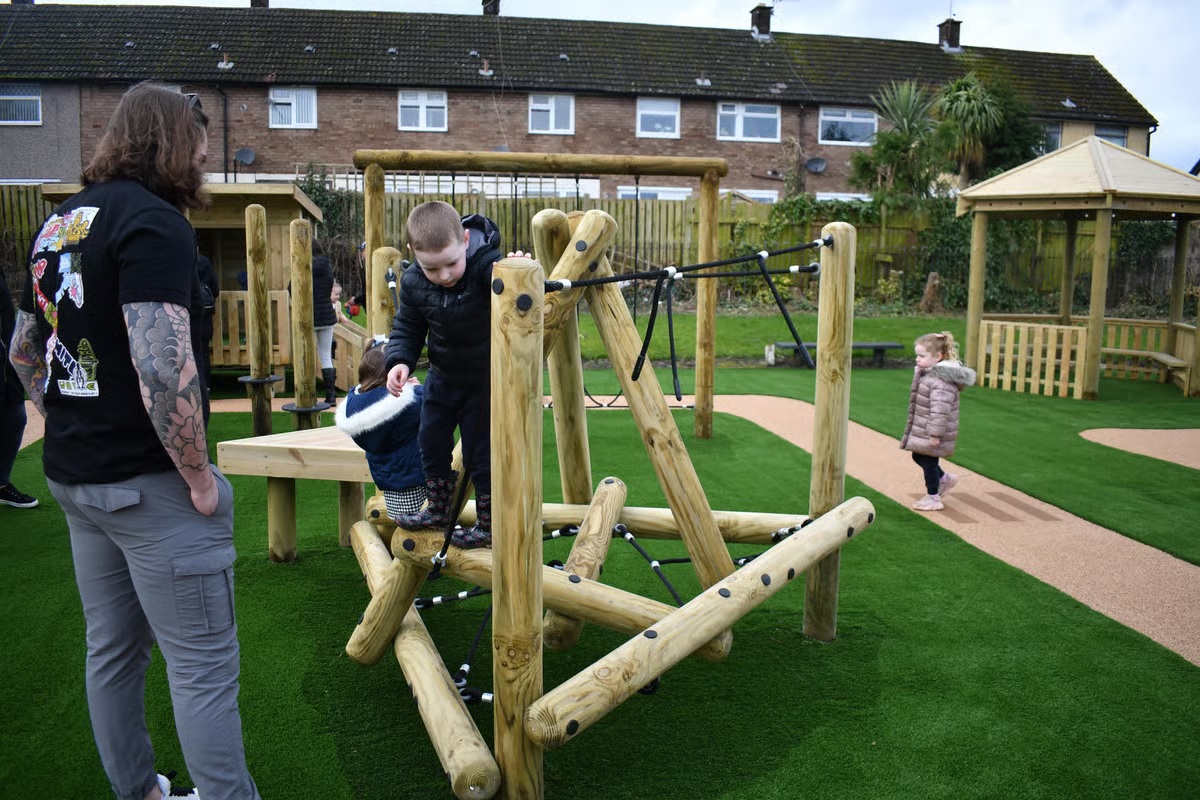

Children today grow up surrounded by screens. Tablets, phones, gaming consoles, streaming platforms, and online learning have become part of normal family life. While technology has its place, many parents are becoming more aware of how much time children spend sitting indoors. The concern is not only about screen exposure, but also about the lack of movement, fresh air, creative play, and physical confidence.
Outdoor play gives children something that structured indoor routines often cannot. It allows them to move freely, test their bodies, use their imagination, and interact with the world in a more natural way. Whether it is climbing, running, balancing, jumping, or simply exploring a backyard, these small everyday activities help children grow stronger and more confident.
Children Need Movement, Not Just Entertainment
Modern entertainment is easy to access, but it often keeps children passive. A child can spend hours watching videos or playing games without using much physical energy. Over time, this can affect posture, stamina, coordination, and even mood.
Outdoor play works differently. It naturally encourages movement without making exercise feel like a task. A child chasing a ball, climbing a frame, or creating a pretend adventure is using muscles, balance, and coordination while having fun. This type of play feels effortless to children, but it gives their body a useful workout.
Parents do not always need to create a strict fitness routine for kids. In many cases, the best approach is to make active play more available. When children have a safe and interesting outdoor space, movement becomes part of their day without pressure.
Outdoor Play Supports Physical Confidence
Confidence in movement is built through practice. Children learn what their bodies can do by trying, failing, adjusting, and trying again. A child who climbs a little higher than before or balances across a beam for the first time gains more than physical strength. They also gain courage.
This is why outdoor play equipment can be so valuable. It gives children simple physical challenges that can be repeated and improved over time. Parents looking to make their backyard more active often explore climbing frames, swings, balance features, and brands such as Funky Monkey Bars as part of creating a more engaging play environment at home.
The key is not to turn the backyard into a competition space. It should remain fun and flexible. Children should feel free to play at their own pace, with enough challenge to stay interested but not so much that they feel unsafe.
Fresh Air and Open Space Help Children Reset
Children can become overstimulated indoors, especially when screen time, homework, and noise overlap. Outdoor spaces offer a natural reset. Fresh air, sunlight, and open movement can help children release energy and return indoors calmer.
Even short periods outside can make a difference. A 20-minute backyard play session after school can help a child decompress before homework or dinner. On weekends, longer outdoor play gives children the chance to be more creative and independent.
Outdoor play does not need to be complicated. Some of the best childhood memories come from simple activities like climbing, building small obstacle courses, playing chase, digging in the garden, or inventing games with siblings and friends.
Imaginative Play Develops Problem-Solving Skills
One of the most overlooked benefits of outdoor play is imagination. A climbing frame can become a castle. A patch of grass can become a race track. A few garden objects can become part of a pretend camping trip.
This type of play helps children make decisions, solve problems, and create stories. Unlike digital games, where the rules are already set, outdoor play often requires children to invent their own structure. They decide what the game is, how it works, who joins in, and what happens next.
These small decisions support creativity and independence. Children learn to negotiate, adapt, and think beyond instructions.
Outdoor Play Can Strengthen Family Time
Outdoor play is not only useful for children. It can also bring families together. Parents do not need to be involved every minute, but joining children outside from time to time creates meaningful moments.
A parent pushing a swing, timing an obstacle course, setting up a small backyard challenge, or simply watching with encouragement can make children feel supported. These moments do not need to be perfect or planned. In many families, the best bonding happens during casual play.
Outdoor time can also reduce the pressure of constantly entertaining children indoors. Instead of relying on screens to fill every quiet moment, families can build small outdoor habits that become part of everyday life.
Making Outdoor Play a Regular Habit
The hardest part is often not getting children outside once. It is making outdoor play a regular habit. A few simple changes can help:
Keep outdoor toys and equipment easy to access.
Create a safe area where children can move freely.
Set a daily outdoor time, even if it is short.
Encourage active play after school before screen time.
Allow children to invent their own games instead of over-directing them.
Parents should also remember that outdoor play changes with age. Younger children may enjoy swings, sand, and simple climbing. Older children often need more challenge, such as climbing structures, obstacle courses, balance activities, and competitive games.
Final Thoughts
Outdoor play remains one of the most valuable parts of childhood. It supports physical strength, confidence, creativity, emotional balance, and family connection. In a world where screens are everywhere, children need spaces that encourage them to move, explore, and test their abilities in a natural way.
A backyard, park, garden, or open space can become more than just an area outside the house. It can become a place where children build memories, develop confidence, and enjoy the kind of active childhood that supports healthy growth.

Comments are closed.