
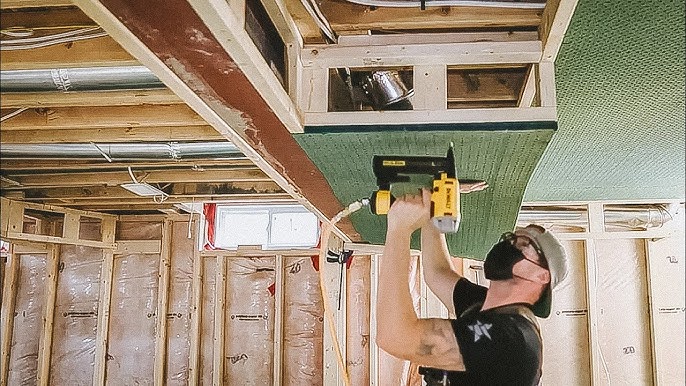

Basement conversions have moved far beyond entertainment rooms or guest suites. In many cities, property owners are strategically turning basements into independent living units, studios, professional workspaces, or hybrid multi-use environments. But the biggest challenges surface not in design aesthetics, but in sound transmission, zoning compliance, and spatial acoustics. When a basement is intended to function as a separate living or working zone, advanced soundproofing becomes essential for privacy, comfort, and legal compliance.
This article explores high-level soundproofing strategies, zoning principles, and layout planning considerations specifically for basement multi-unit conversions—whether your goal is long-term rental, professional use, or multigenerational living.
Understanding the Role of Soundproofing in Basement Conversions
Why Regular Insulation Isn’t Enough
Traditional wall insulation dampens temperature, not sound. To prevent sound from transferring between floors, rooms, or units, the building needs:
-
Mass to block airborne noise
-
Decoupling to stop vibration transfer
-
Absorption to reduce echo and reflectivity
-
Sealing to close gaps where sound leaks
Without these, even everyday noises like footsteps and conversation will travel through floor joists, vents, and framing.
Basement Acoustics Are Naturally Challenging
Basements amplify noise due to:
-
Close proximity to structural beams
-
Hard concrete surfaces that reflect sound
-
Shared HVAC runs that carry sound between units
This makes acoustic planning just as critical as architectural planning.
Structural Soundproofing for Ceilings and Floors
Decoupled Ceiling Assemblies
To prevent sound vibration from transferring to upper floors:
-
Install resilient sound isolation clips
-
Add hat channels before drywall attachment
-
Use double-layered gypsum board with sound damping compound
This creates a flexible ceiling that absorbs and interrupts vibration rather than transmitting it.
Subfloor Strategies for Comfort and Noise Control
Concrete floors transmit impact noise extremely efficiently. Solutions include:
-
Acoustic underlayment beneath flooring
-
Floating subfloor panels to add mass and cushion
-
Carpet tiles with integrated rubber backing in bedrooms or living areas
Avoid rigid laminate directly on concrete—it amplifies footstep noise.
Wall Design for Multi-Unit Privacy
Staggered and Double Stud Walls
Shared walls between units or between bedrooms and living zones benefit from:
-
Staggered stud framing to prevent sound bridging
-
Fully isolated double-stud walls for optimal sound control
These systems increase wall depth, but they also greatly improve privacy.
Mass-Loaded Vinyl (MLV)
MLV is extremely effective when layered into wall or ceiling assemblies because it:
-
Adds dense, flexible mass
-
Blocks low-frequency noise (music, voices, appliances)
-
Works without requiring major structural changes
Its best use is between drywall layers combined with acoustic sealant.
Mechanical Systems and the Hidden Sound Pathways
HVAC Reconfiguration
Sound travels through ductwork like sound through a megaphone. Mitigate this by:
-
Installing acoustic duct liners
-
Adding flex duct offsets to disrupt vibration
-
Isolating duct mounting with rubber hangers
Separate heating zones also improve comfort and reduce noise crossover.
Plumbing Noise Reduction
Water flow noise is one of the most common complaints in basement units. Use:
-
Cast iron drain stacks rather than PVC
-
Acoustic pipe wrap in wall cavities
-
Isolated pipe mounting clamps to prevent structure-borne vibration
Even small adjustments during construction make major differences later.
Strategic Zoning for Functional Use and Tenant Comfort
Layout Planning to Separate Quiet and Active Zones
A high-functioning basement floor plan separates:
-
Sleeping areas from mechanical rooms, kitchens, and laundry
-
Work or study spaces from entertainment areas
Key planning tactic:
Place bedrooms away from stairwells and shared ceiling zones to reduce footstep and conversation noise.
Private Entry and Transition Spaces
A separate entry does more than create independence. It:
-
Reduces noise transfer between units
-
Allows units to operate on separate schedules
-
Increases value and rental appeal
Where feasible, incorporate a sound-buffering entry vestibule.
Material Selection for Acoustic Performance
High-Performance Sound Absorption Materials
Effective materials include:
-
Acoustic mineral wool (better than fiberglass)
-
Perforated wood acoustic panels
-
Sound-absorbing wall fabric systems
-
Cork paneling for warm, quiet surfaces
Each material plays a role in reducing echo and improving comfort.
Choosing the Right Flooring
Best options for basement acoustic performance:
-
Cork
-
Rubber-backed vinyl planks
-
Carpet tiles in bedrooms and living areas
Avoid solid hardwood due to moisture sensitivity and impact resonance.
Legal and Code Compliance Considerations
Noise Ordinances and Multi-Unit Building Codes
Local codes may dictate:
-
Minimum Sound Transmission Class (STC) ratings for shared walls
-
Requirements for independent heating zones
-
Fire separation assemblies and smoke barrier construction
Consult building code early, as failing to meet STC ratings can require tearing apart finished surfaces.
When a Basement Counts as a Legal Suite
A basement becomes a legal dwelling unit when it contains:
-
A separate entrance
-
A full kitchen with cooking appliances
-
Fire-rated separation walls or ceilings
-
Legal egress from sleeping areas
Failing to meet any of these can make the unit unrentable.
Long-Term ROI Benefits of Proper Acoustic Planning
When soundproofing and zoning are done right:
-
Rental rates are higher due to improved comfort
-
Tenant retention increases
-
Complaints and conflict decrease
-
Property appraisers value the unit as a true separate dwelling
Owners who cut acoustic corners often end up spending more on retroactive fixes later.
Conclusion
A basement multi-unit conversion is not just a remodeling challenge—it’s a systems design project. Treat acoustic performance as a core structural element, not an afterthought. The result is a quiet, private, and high-value living space that enhances property income and usability for the long term.
FAQs
1. Is regular drywall enough for soundproofing?
No. Standard drywall provides limited mass and does not prevent vibration transfer. A combination of layered drywall, damping compound, and resilient channels is more effective.
2. Can I soundproof a basement without lowering the ceiling height?
Yes. Use wall-mounted acoustic panels, mineral wool insulation, and MLV. Ceiling decoupling adds height, but thin-profile acoustic systems are available.
3. How much does full acoustic soundproofing typically cost?
Costs vary widely, but expect $18–$40 per square foot, depending on materials and assembly type.
4. Do I need permits to convert a basement into a legal unit?
In most jurisdictions, yes. Approval is required for fire separation, egress, ventilation, and utility changes.
5. Can HVAC noise be eliminated completely?
Not entirely, but it can be dramatically reduced through duct insulation, equipment isolation mounts, and zoning configuration.
6. Is there a difference between soundproofing and sound absorption?
Yes. Soundproofing blocks noise from entering or leaving a space, while absorption reduces echo within the space.
7. What flooring is best for sound reduction and durability in basements?
Rubber-backed vinyl planks or cork flooring are strong choices due to moisture resistance and impact dampening.

Comments are closed.