

The Art of Concrete: Understanding Materials and Techniques
Grain by Grain: What Makes Concrete So Versatile?
Concrete stands as one of the most widely used construction materials in the world, admired for its remarkable versatility and strength. Its unique composition, typically a mixture of water, cement, sand, and aggregates, allows it to be molded into almost any shape or form, making it feasible for countless applications from residential homes to towering skyscrapers. The allure of concrete lies not only in its structural capabilities but also in its aesthetic potential. Architects and designers have harnessed concrete’s adaptability to create intricate designs and textures that enhance the visual appeal of both interiors and exteriors.
The raw materials that constitute concrete contribute directly to its versatility. The selection of aggregates gravel, sand, crushed stone can significantly alter the finished product’s appearance and properties. For instance, using rounded aggregates can produce a smoother finish, while angular particles can add strength and texture. Furthermore, the incorporation of additives like plasticizers, retarders, and pigments allows professionals to achieve varied finishes, colors, and performance characteristics tailored to specific design visions. Consequently, whether seeking a sleek modern style or rustic charm, concrete serves as a canvas on which designers can paint their creative ideas.
Mixing Magic: The Science Behind Perfect Concrete
The science of concrete mixing is an intricate process that balances art and engineering principles. Achieving the ideal mix requires a precise understanding of the materials and their interactions. The water-to-cement ratio is critical, as it affects the concrete’s workability and long-term strength. Typically, a lower water content results in a stronger mix, but it might compromise workability. This mixture must also cater to specific environmental conditions; for instance, different regions may necessitate varied formulations to resist freeze-thaw cycles or enhanced durability against moisture infiltration.
Moreover, advancements in concrete technology have spurred innovations that enhance performance. High-performance concrete (HPC) has emerged as a solution for projects demanding longevity and resilience, containing supplementary cementitious materials like fly ash or silica fume to improve durability and mitigate shrinkage. With tools like computerized batching systems, contractors can achieve consistent quality, ensuring that every pour meets rigorous standards. As the science evolves, eco-friendly alternatives, including geopolymer and recycled concrete aggregates, are making strides towards more sustainable practices, appealing to environmentally conscious builders and architects.
Innovative Techniques: From Traditional to Modern Concrete Pouring
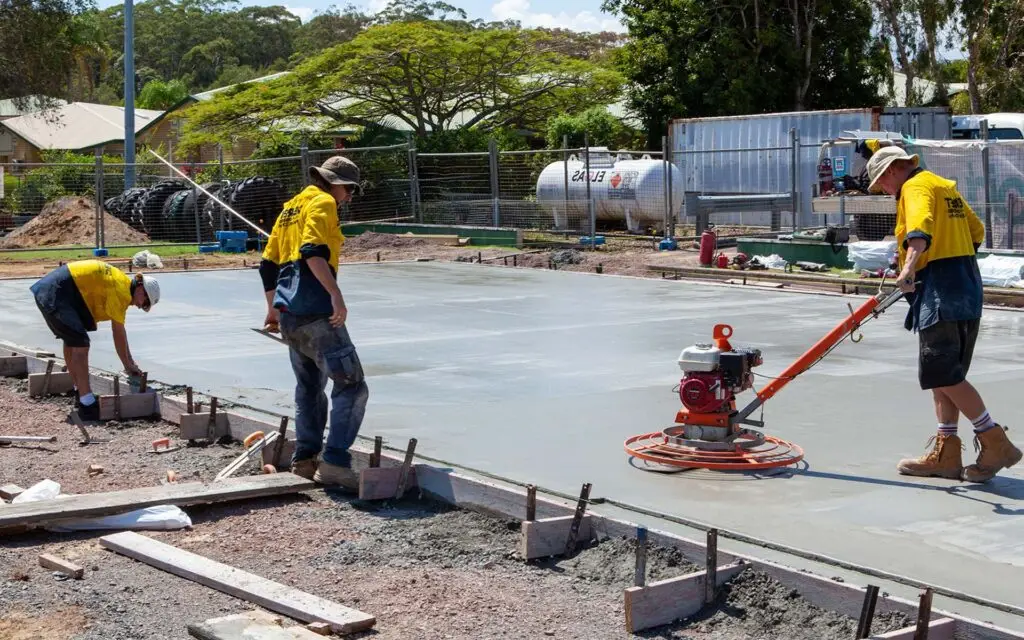
The evolution of concrete pouring techniques spans centuries, transforming from rudimentary hand-mixing and pouring methods to sophisticated, machinery-driven processes. Traditional techniques, such as formwork, vibratory pouring, and manual smoothing, laid the groundwork for quality control in concrete projects. Today, professional concrete pouring services build on these foundations by integrating innovative methods that enhance efficiency, precision, and scalability.
One significant advancement includes the use of reinforced concrete, which combines steel or composite materials to improve tensile strength, making it suitable for high-rise buildings and large-scale infrastructure. Furthermore, modern technologies such as 3D printing are beginning to redefine how concrete is applied. With additive manufacturing, architects can design intricate geometries and structures that were once impossible, while reducing waste, lowering labor costs, and speeding up project timelines. These innovations continue to transform the way concrete structures are planned, executed, and delivered.
Transformative Designs: Collaborative Concepts for Your Space
Concrete Canvas: Designing With Style and Substance
Concrete’s potential as a design medium is boundless, enabling architects and designers to explore the interplay of form, function, and aesthetics. Today’s designers are embracing concrete not merely as a functional building block but as a versatile material that contributes significantly to the overall design language. The concept of “concrete canvas” refers to the idea of utilizing concrete as an artistic medium. This approach includes various textures, patterns, and colors, enabling spaces to reflect a sense of identity and character.
Textured finishes, such as exposed aggregate or stamped concrete, can infuse energy and create focal points within a space. These finishes allow for the personalization of concrete installations, whether in residential patios or commercial plazas. Additionally, concrete can be combined with other materials like wood, glass, or metal to create striking contrasts, enhancing visual complexity. Designers are increasingly exploring ways to incorporate greenery, using concrete walls as vertical gardens or integrating planters directly into the structure, effectively blurring the lines between nature and built environments.
From Concept to Creation: Working with Designers and Contractors
The journey from concept to creation in concrete projects thrives on collaboration among various stakeholders designers, architects, contractors, and clients. Effective communication plays a crucial role in translating a vision into reality. Initially, designers work closely with clients to understand their requirements, preferences, and budget constraints. This collaborative brainstorming session typically culminates in a detailed plan that lays the groundwork for drafting blueprints and planning the construction phases.
Once the blueprints are established, contractors must be integrated into the process to ensure the viability of the proposed designs. This collaboration includes evaluating materials, assessing site conditions, and determining acceptable timelines. Engaging with experienced contractors who specialize in concrete pouring and finishing helps guard against errors that could derail the project. Regular check-ins among all parties can address potential design complications or site-specific challenges, thus keeping the project on track and aligned with its vision.
Visual Appeal: How Textures and Colors Change the Game
Concrete’s visual appeal is enhanced through thoughtful use of textures and colors, drastically changing its aesthetic while maintaining its integrity as a high-performance building material. Texturing methods, such as brooming, stamping, or sanding, can create distinctive patterns and finishes that elevate a space’s design quality. For instance, stamped concrete can mimic the appearance of natural stones, tiles, or bricks, offering an upscale look at a fraction of the cost.
Moreover, the introduction of pigments into concrete mixes has opened a new realm of possibilities in color selection. Designers now can specify custom hues ranging from muted earth tones to bold and striking shades allowing for a greater personalization of spaces. Colored concrete can be used in an outdoor setting to delineate spaces or create pathways that complement the surrounding landscape. By understanding the interplay of light, shadow, and texture in finished concrete surfaces, designers can fully exploit concrete’s capabilities in creating inviting environments.
Environmental Considerations: Sustainable Concrete Practices
The Green Concrete Revolution: Eco-Friendly Choices for a Better Tomorrow
As the world shifts towards more environmentally responsible construction practices, the concrete industry is at the forefront of innovation. The “green concrete revolution” emphasizes eco-friendly practices that minimize the environmental footprint of concrete production and consumption. This shift entails the development and use of sustainable materials, energy-efficient production methods, and optimized designs that reduce waste and enhance performance.
Innovations such as bio-concrete, which incorporates living organisms like bacteria that can repair cracks, and reclaimed aggregates demonstrate the industry’s commitment to sustainability. These advancements not only reduce dependency on natural resources but also extend the lifecycle of concrete structures. The use of supplementary cementitious materials, such as fly ash or slag, can significantly lower emissions during cement production, effectively reducing greenhouse gas emissions while maintaining the strength and durability of concrete.
Reducing Your Footprint: Recycled and Alternative Materials
One of the progressive approaches to achieving a more sustainable concrete industry is the use of recycled and alternative materials. Recycling construction debris is becoming a standard practice, where crushed concrete is reused as aggregate in new concrete mixes. This not only diverts waste from landfills but also conserves natural resources, making the construction process more sustainable.
Furthermore, alternative materials like hempcrete, which combines hemp fibers with lime-based binders, offer an eco-friendly substitute with excellent insulation properties. These innovative approaches enable builders to minimize their ecological footprint while meeting the performance demands of modern construction. By embracing these alternatives, property owners and construction professionals can contribute to a more sustainable future.
Long-lasting Benefits: Why Choosing Sustainable is a Smart Investment
Investing in sustainable concrete practices is not merely a moral imperative; it can also yield significant economic benefits over time. Sustainable concrete solutions often lead to reduced energy use, lower water consumption, and smaller waste outputs. For instance, buildings constructed using eco-friendly materials and practices can achieve LEED certification, increasing their attractiveness to environmentally conscious buyers and tenants.
Moreover, sustainable concrete is synonymous with long-term durability. High-quality, eco-friendly concrete often outperform traditional mixes in terms of resilience against harsh weather conditions, thermal fluctuations, and chemical exposures, ultimately reducing repair and maintenance costs. This longevity ensures that investments in sustainable concrete practices result in lasting economic benefits, making them an intelligent choice for property developers and homeowners alike.
After the Pour: Maintenance and Longevity for Your Concrete Surfaces
The Care Routine: Essential Tips for Keeping Your Concrete Pristine
Achieving beautiful, durable concrete surfaces begins with mindful maintenance. Proper care not only preserves the aesthetic appeal of concrete but also extends its longevity. Maintaining concrete involves regular cleaning to prevent the accumulation of dirt and debris, which, if left untreated, can lead to staining or surface degradation over time. Sweeping and using mild detergents for washing are effective practices, while power washing can remove stubborn stains or mildew buildup in outdoor settings.
Additionally, applying sealants is crucial in protecting the surface from moisture infiltration, oil spills, and other damaging agents. Sealants form a barrier that enhances concrete’s resilience, minimizing the risk of cracks or surface wear. Regular resealing, typically recommended every few years based on wear and environmental circumstances, will provide a robust defense while enhancing the appearance of the concrete.
Dealing with Challenges: Common Issues and Expert Solutions
Despite its durability, concrete is not immune to challenges. Cracking, staining, and scaling are common issues that can arise over time due to various factors, including improper installation, climatic conditions, and insufficient maintenance. Understanding these challenges allows property owners and contractors to develop effective strategies for mitigation. For example, surface cracking can often be avoided by ensuring proper curing and expansion joint installation during the pouring process. If cracks do appear, utilizing professional repair techniques, such as epoxy injection or resurfacing, can restore the concrete’s structural integrity and appearance.
Staining is another prevalent concern, especially in outdoor areas exposed to oil, chemicals, or food spills. Utilizing chemical reactions through acid stains or applying surface retouching techniques can help restore the surface. Regular monitoring and addressing these issues proactively will maintain the concrete’s integrity and appearance over time.
Future-Proofing: Upgrades and Enhancements for Long-term Beauty
Future-proofing concrete surfaces involves augmenting both aesthetic and functional elements to ensure long-lasting appeal. Enhancements such as decorative overlays, stamped designs, or added textures can revitalize aging surfaces and align them with evolving design trends. By investing in modern enhancements, property owners can also adapt their spaces for new uses or community standards while retaining the foundational performance benefits of concrete.
Additionally, incorporating smart technology, such as embedded sensors for monitoring temperature or moisture levels, can offer valuable insights into the concrete’s condition and assist in maintaining optimal performance. By focusing on upgrades that combine visual appeal with advanced technology, homeowners and contractors can ensure that their concrete surfaces remain not only functional but also stylish for years to come.

Comments are closed.