

Start with Function Before Style
Choosing flooring for your home is one of the biggest design decisions you’ll make. It affects how the space looks, feels and functions on a daily basis. While colour and style often steal the spotlight, it’s essential to begin with practicality. Think about how each room is used, the amount of foot traffic it sees and any specific requirements, such as resistance to moisture or ease of cleaning.
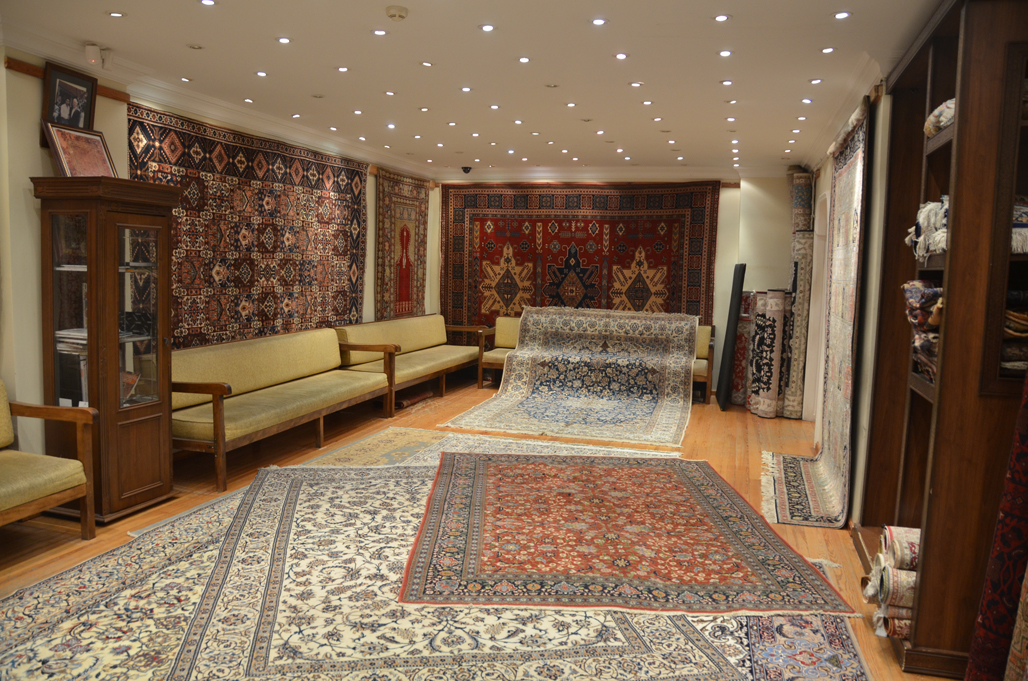
If you’re visiting carpet stores in Falkirk for the first time, you may be surprised by the wide range of materials and constructions available. From plush, deep-pile carpets to durable loop styles and stain-resistant options, the best choice will come down to how you live and what kind of feel you want underfoot.
Get to Know the Main Types
Most residential carpets fall into two main pile types, loop pile and cut pile. Loop pile carpets, such as Berber, are made from uncut loops of yarn and are valued for their durability. They’re excellent for high-traffic areas like stairs and hallways. However, they can snag more easily, which is worth considering if you have pets.
Cut pile carpets, on the other hand, have sheared loops, giving them a softer and more uniform appearance. Styles like Saxony and twist pile offer a luxurious finish that’s perfect for bedrooms and lounges. These are typically more comfortable but may show footprints and vacuum marks more readily.
Material Makes a Difference
The fibre type plays a big role in performance. Synthetic fibres such as polypropylene or nylon are popular for being stain-resistant and budget-friendly. They are easy to clean and stand up well in family homes. Nylon in particular is known for bouncing back after compression, making it ideal for areas with furniture or frequent use.
Wool carpets are a premium option, offering excellent insulation and a natural, soft texture. They’re breathable, flame-resistant and long-lasting, though they do require more care and are typically more expensive. Some carpets also use a wool blend, combining natural and synthetic fibres to balance softness with durability.
Colour and Texture: What to Keep in Mind
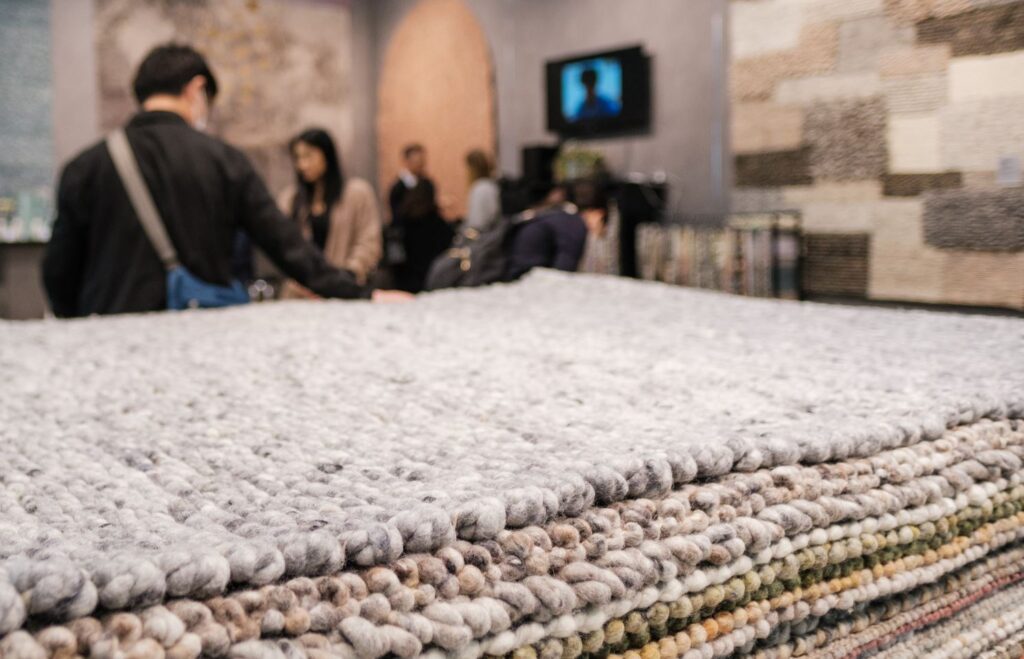
Neutral shades such as beige, grey and taupe are popular because they offer flexibility with changing décor. Darker tones can hide dirt and marks more easily, while lighter shades can help small rooms feel more open. Textured finishes or multi-tone yarns can also disguise wear over time.
If you want to make a statement, bolder colours or patterned carpets work well in rooms where you want to add character, like home offices or guest rooms. Just be sure you’re happy to commit, as bold patterns tend to be less forgiving when trends shift.
Ask the Right Questions When You Shop
When browsing carpets in-store, don’t be afraid to ask about durability ratings, underlay requirements and stain resistance. Ask for samples to take home so you can see how they look in different lighting. It’s also worth checking if the carpet is suitable for underfloor heating or if it has any special cleaning instructions.
Spending a little time to understand your needs and options can make all the difference. With the right choice, your new carpet won’t just look good on day one, it’ll feel great and perform well for years to come.

Comments are closed.