
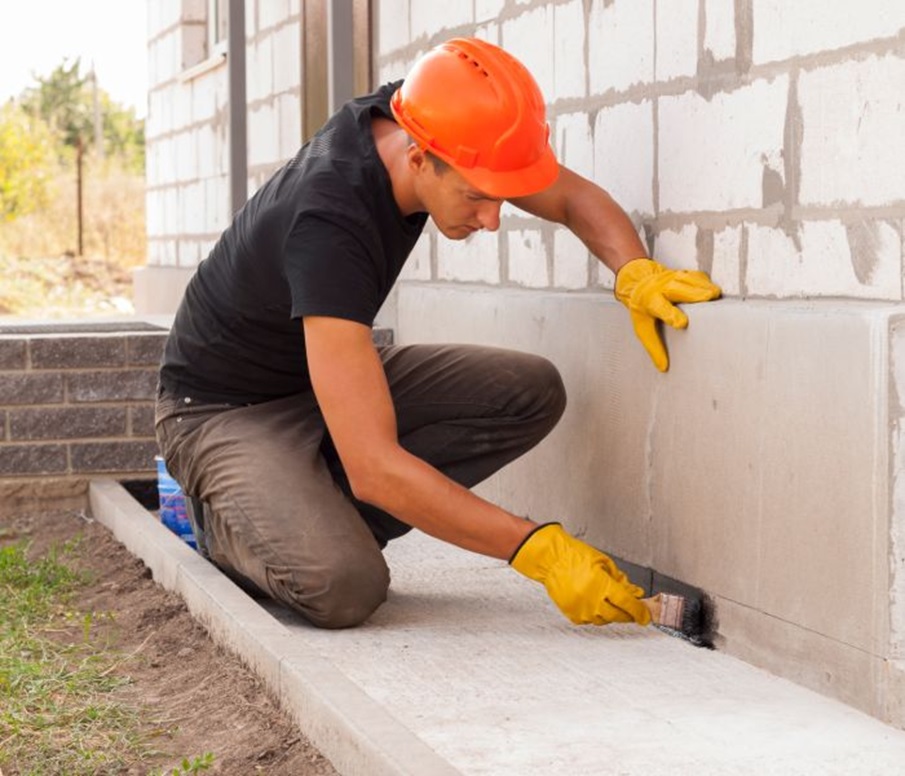

A foundation crack can look minor when you first notice it. Some cracks are narrow and easy to overlook, especially when they do not seem to affect the rest of the structure. Still, cracks can change as soil shifts, water collects around the foundation, or normal structural pressure continues. Paying attention to these changes can help you respond before the damage becomes more complicated.
Foundation crack repair in Hammond can help stabilize damaged areas, close openings, and reduce the risk of cracks widening. The right repair method depends on the type of crack, its cause, and the condition of the surrounding foundation. This is why a careful inspection matters before any repair work begins.
Understanding why cracks develop and how repair methods work can make it easier to recognize when professional attention is needed. Some cracks are related to concrete shrinkage, while others may indicate settlement, soil movement, drainage issues, or pressure against foundation walls.
Why Foundation Cracks Can Get Worse
Concrete is strong, but it is not completely resistant to movement. Foundations are surrounded by soil that changes throughout the year. Rainfall, dry weather, temperature changes, and groundwater can all affect how that soil behaves.
Soil can expand when it absorbs water and contract when it dries. These changes may create movement around or beneath the foundation. If the foundation experiences uneven pressure, cracks can form or existing cracks can become wider.
Water can also increase pressure against below-grade walls. When drainage around a structure is poor, water may collect near the foundation rather than moving away from it. Over time, that pressure can place added stress on vulnerable areas.
Cracks may also develop as concrete cures and shrinks. These cracks are not always structural, but they still deserve attention if they allow water to enter or begin changing in size.
Identifying the Type of Crack Matters
Not every crack has the same cause or requires the same repair. The direction, width, location, and pattern of a crack can provide useful clues.
Vertical cracks are often associated with concrete shrinkage or settlement. Horizontal cracks can sometimes be related to pressure against foundation walls. Stair step cracks in masonry may indicate movement along mortar joints.
A professional inspection looks beyond the visible crack. The contractor may also check for other signs of foundation movement, including:
- Uneven floors
- Gaps around windows and doors
- Doors that become difficult to close
- Cracks in interior walls
- Bowing foundation walls
- Water stains near cracks
- Changes in the size of existing cracks
These details can help determine what is causing the damage and which repair method may be appropriate.
How Foundation Crack Repair Works
A successful foundation crack repair is designed to treat the damaged area rather than simply cover it. Applying surface material without understanding the crack can hide the opening while movement continues behind the repair.
Some cracks can be treated using specialized injection materials. Epoxy may be used in certain situations because it can bond sections of concrete together. Polyurethane materials may be selected when flexibility and water sealing are important.
The exact method depends on the foundation material and the conditions affecting the crack. A contractor may also recommend additional work if settlement, soil pressure, or drainage problems are contributing to the damage.
By matching the repair to the cause, the damaged area receives more than a cosmetic patch.
Sealing Cracks Can Reduce Water Intrusion
Foundation cracks can create openings where groundwater and rainwater enter a basement or other below-grade space. Even a narrow crack can become a pathway during periods of heavy rainfall.
Water entering through foundation walls can contribute to staining, damp surfaces, higher humidity, and damage to nearby materials. Repeated water intrusion can also make a small foundation concern more disruptive over time.
Sealing appropriate cracks can help block these pathways. However, crack sealing may need to be combined with better drainage when water regularly collects around the foundation.
The Federal Emergency Management Agency provides information about protecting structures from water and flood-related damage. You can find additional guidance from FEMA on managing water risks around buildings.
Addressing the Cause Helps Limit Future Movement
Foundation crack repair is most effective when the conditions contributing to the crack are also considered. A repaired crack can remain vulnerable if the same pressure or movement continues.
For example, poor grading may direct rainwater toward the foundation. Clogged gutters or short downspouts can also allow water to collect near foundation walls. In other situations, shifting soil beneath the structure may be the main concern.
A professional evaluation can help determine if drainage improvements, soil-related repairs, or structural support should be included in the repair plan.
Treating the source of the problem gives the repair a better chance of performing as intended.
Why Monitoring Cracks Is Important
A small crack does not always indicate major foundation damage, but changes should not be ignored. Monitoring gives you useful information about how the crack behaves over time.
Watch for increases in width or length. Pay attention to any new cracks that appear nearby or to doors and windows suddenly becoming harder to operate. Water entering through a previously dry crack is another sign worth investigating.
You should also arrange an inspection when a wall appears to bow, floors become noticeably uneven, or a repaired crack opens again.
These signs can help a contractor understand if movement is still occurring.
Professional Evaluation Can Prevent Guesswork
Trying to identify a foundation problem from appearance alone can be difficult. Two cracks that look similar may have completely different causes.
Professional foundation crack repair begins with an evaluation of the foundation, surrounding soil conditions, drainage, and visible signs of movement. That information helps determine if the crack needs sealing, structural support, water management, or another repair approach.
Early evaluation can also make it easier to track changes before damage spreads to additional areas.
Conclusion
Foundation cracks can develop from concrete shrinkage, settlement, changing soil conditions, water pressure, and structural movement. While some cracks remain minor, others may widen when the forces that created them continue.
Repairing the damaged area can help seal openings, stabilize sections of concrete, and reduce further deterioration. The most effective approach also looks at why the crack formed, so contributing conditions can be addressed.
If you have noticed foundation cracks or changes around your property, Hammond Foundation Repair Pros can inspect the affected areas, explain what may be causing the damage, and recommend repair options based on the condition of your foundation.

Comments are closed.