
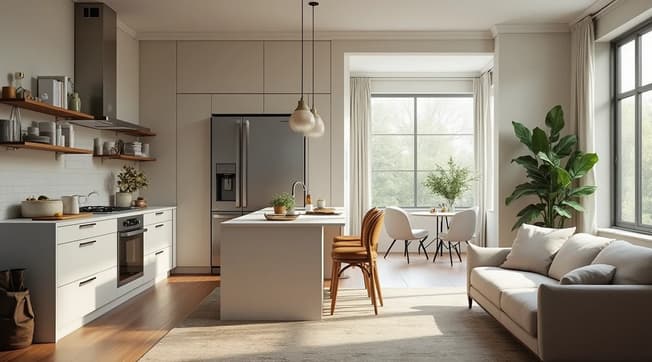
Strategic Remodeling: Increasing Function, Durability, and Market Appeal Through Thoughtful Design

Remodeling is no longer just about refreshing outdated finishes. Today’s most successful renovations focus on improving the way a space performs, adapts, and supports long-term comfort. Strategic remodeling is the practice of transforming a property with purpose—enhancing structural integrity, optimizing spatial flow, and increasing a home’s overall market and lifestyle value. Instead of applying temporary trends or surface-level updates, the goal is to focus on durability, efficiency, and meaningful use of space.
This approach is especially valuable for homeowners planning to stay long-term, property investors seeking stronger ROI, and designers who want to future-proof their work. Below, we explore methods and remodeling decisions that yield substantial benefits in functionality, cost-efficiency, and property value.
Why Strategic Remodeling Matters
The most impactful renovations are deliberate. They acknowledge how people truly live in a space and anticipate evolving needs. Poorly planned remodeling can lead to ongoing repairs, inefficient layouts, and budget waste. By contrast, strategic remodeling:
-
Enhances day-to-day usability
-
Reduces long-term maintenance expenses
-
Improves energy efficiency and environmental performance
-
Strengthens resale desirability
-
Supports aging-in-place and lifestyle adaptability
This philosophy encourages thoughtful planning before any construction begins.
Focus on Structural and Foundational Improvements First
Before thinking about aesthetics, the core of the home must be secure and functional. Structural integrity ensures safety, prevents costly damage, and supports future upgrades.
Key Foundational Enhancements to Prioritize
Roof and Framing Reinforcement
A roof in poor condition compromises insulation, energy efficiency, and interior finishes. Reinforcing framing ensures stability, especially when planning open-layout conversions.
Electrical and Plumbing System Upgrades
Older homes often contain outdated wiring and piping. Modernizing these systems enhances functionality and removes risks of leaks or electrical hazards.
Foundation Repairs and Moisture Control
Addressing cracks, drainage issues, and ventilation reduces mold risk and prevents structural deterioration over time.
Why This Matters for Future Renovations
When core systems are upgraded early, the home becomes easier and less costly to remodel later. This prevents backward remodeling—tearing apart newly finished spaces to repair something underneath.
Prioritizing Functionality in Space Planning
A beautifully remodeled home means little if its layout doesn’t support daily needs. Spatial planning determines flow, comfort, and how rooms interact.
Remodeling Approaches That Improve Layout Function
Converting Compartmentalized Rooms Into Open or Semi-Open Layouts
This allows better social interaction, improved natural lighting, and more visual continuity.
Enhancing Kitchen Work Triangles and Storage Zones
Instead of focusing on décor trends, consider counter placement, appliance access, and vertical storage solutions that maximize efficiency.
Reconfiguring Bathrooms for Practical Usage
Upgrading to walk-in showers, optimizing lighting, and adding smart storage transforms usability in daily routines.
Integrating Multi-Functional Spaces
Modern households often need rooms to serve multiple roles—home offices, exercise areas, guest spaces, or hobby zones. Flexible layouts accommodate these changes smoothly.
Thoughtful layout design solves real problems rather than decorating around them.
Material Selection for Longevity and Lifecycle Value
Materials influence durability, maintenance demands, indoor air quality, and total property costs over time. Strategic remodeling elevates material choice beyond aesthetics.
Qualities to Prioritize When Selecting Materials
-
Low maintenance needs
-
Resistance to wear, moisture, and impact
-
Long-term availability for repairs or matching
-
Compatibility with local climate
-
Sustainable and non-toxic composition
Examples of Long-Lasting Material Choices
-
Engineered quartz instead of high-maintenance natural marble
-
Tile and vinyl plank flooring in moisture-prone spaces over solid hardwood
-
Fiber cement siding instead of wood to resist rot and insects
-
High-quality fixtures with replaceable parts for easy repair
Smart material choices reduce long-term repair costs and maintain aesthetic value for years.
Enhancing Energy Efficiency and Home Performance
Energy-efficient remodeling doesn’t just contribute to environmental sustainability—it significantly reduces utility expenses and improves comfort.
High-Return Energy Efficiency Upgrades
Upgrading Insulation and Air Sealing
This reduces heat loss, which stabilizes indoor temperature and decreases HVAC load.
Installing High-Efficiency HVAC and Ventilation Systems
Efficient equipment uses less energy and provides better interior air quality.
Replacing Drafty Windows and Exterior Doors
Modern glazed windows and sealed-entry doors decrease noise and improve climate control.
Implementing Smart Home Systems
Automated thermostats, lighting, and occupancy-based controls give homeowners real-time efficiency management.
Energy-efficient remodeling enhances comfort and adds strong resale appeal for environmentally conscious buyers.
Elevating Curb Appeal With Purpose
Exterior remodeling goes far beyond paint colors and landscaping. The exterior is the structural and visual first impression.
Strategic Exterior Enhancements
-
Improving entry visibility through lighting and walkway design
-
Installing durable siding and roofing materials
-
Upgrading outdoor living spaces such as patios and decks
-
Adding functional shade systems to reduce heat exposure and utility strain
A well-designed exterior makes the home more welcoming while reinforcing durability and value.
Planning for Aging-in-Place and Future Adaptability
Even if aging-in-place is not a current priority, incorporating flexibility improves long-term usability and resale opportunities.
Adaptable Features That Blend Seamlessly Into Modern Design
-
Wider doorways that support mobility devices
-
Zero-threshold or walk-in showers for safety
-
Lever-style door handles instead of knobs
-
Kitchen islands with multiple counter heights
-
Storage systems that reduce bending or overhead reaching
These upgrades prevent costly future remodels and support occupants at any life stage.
The Role of Professional Collaboration
Strategic remodeling benefits from collaboration between architects, designers, structural engineers, and specialized contractors. Professionals identify structural constraints, ensure correct building practices, and prevent expensive mistakes.
Key Reasons to Work With Experienced Professionals
-
Accurate assessment of load-bearing elements
-
Avoiding code violations or unsafe installations
-
Efficient permitting and project planning
-
Access to quality craftsmanship and materials
-
Cost forecasting and timeline transparency
Partnerships reduce project risk and create higher-quality results.
FAQs
1. How long does a strategic remodeling project typically take?
Timelines vary depending on project scope, structural changes, and permitting. A full-home remodel can range from several weeks to several months.
2. What remodeling projects add the most long-term value?
Kitchen and bathroom upgrades, roofing and siding improvements, energy-efficient HVAC replacement, and open-layout conversions consistently deliver high returns.
3. Is it necessary to move out during remodeling?
If major structural, plumbing, or electrical changes are involved, temporarily relocating may reduce stress and speed up work.
4. How can I avoid going over budget?
Create a detailed scope of work, obtain multiple bids, avoid mid-project design changes, and allocate a contingency fund of at least 10–20%.
5. Should I remodel for resale or personal needs?
Balance both. Focus on upgrades that improve daily function while choosing neutral, versatile aesthetics that appeal to future buyers.
6. How do I choose durable materials?
Prioritize performance characteristics, maintenance requirements, climate compatibility, and manufacturer warranties rather than trend appeal alone.
7. When is the best time of year to start a remodeling project?
Spring and summer allow better outdoor work conditions, but planning and contractor selection should ideally begin months in advance.

Comments are closed.