
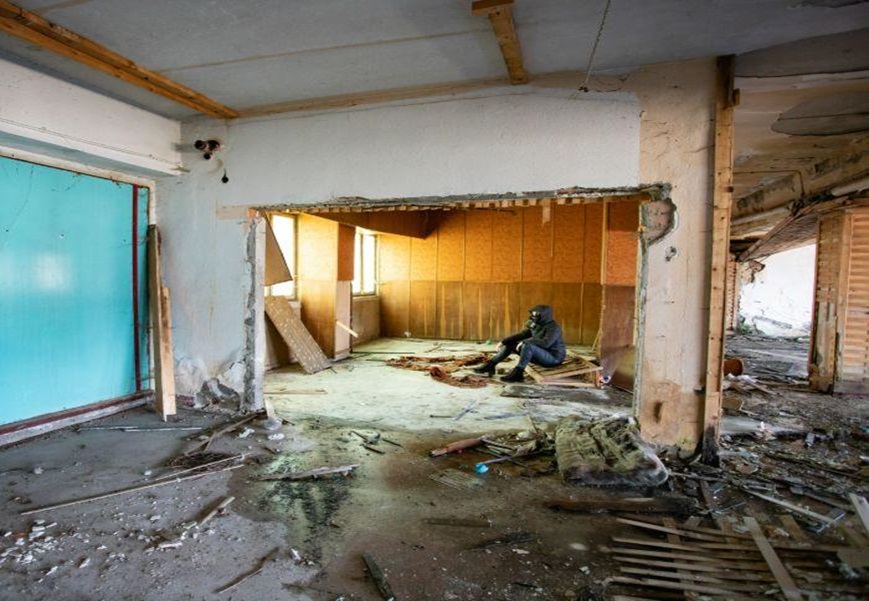

A fire can change a property in minutes, but the damage often remains long after the flames are gone. Burned materials may be easy to see, while soot and smoke residue can spread into rooms that never came into direct contact with the fire. These particles may settle on walls, ceilings, furniture, flooring, and personal belongings. Smoke can also leave a strong odor that regular household cleaning may struggle to remove.
Professional fire and smoke damage repair in Tampa focuses on removing the source of these problems instead of covering them up. Cleaning soot, treating affected materials, filtering the air, and locating hidden smoke residue are all important parts of the process. Knowing what happens during restoration can help you understand why careful cleanup is necessary after a fire.
Why Soot Spreads So Easily
Soot contains extremely small particles produced when materials burn. Once smoke moves through a building, these particles can travel with it and settle across a wide area.
The type of soot left behind depends partly on what burned. Wood, plastics, fabrics, cooking oils, and building materials can all create different forms of residue. Some soot may be dry and powdery, while other residue can feel greasy or sticky.
This difference matters because not all soot can be cleaned with the same method. Wiping a surface with the wrong product may spread the residue or push it deeper into porous materials.
Finding Smoke Damage Beyond the Fire Area
Smoke rarely stays inside the room where a fire started. It can move through doorways, vents, wall openings, closets, and adjoining spaces.
A restoration inspection may include walls, ceilings, cabinets, flooring, furniture, vents, and other surfaces where particles could settle. Professionals also look for staining and odors that suggest smoke entered hidden spaces.
A detailed inspection helps determine how extensive the fire and smoke damage repair process needs to be. It can also help identify materials that may be cleaned and those that have been too heavily affected to restore.
Removing Loose Soot Carefully
Before deeper cleaning begins, loose soot often needs to be removed from affected surfaces. This step requires care because aggressive wiping can spread particles across walls, furniture, and other materials.
Specialized vacuum equipment may be used to collect loose particles without pushing them deeper into the surface. Cleaning methods are selected based on the material being treated and the type of soot present.
Safety is also important during fire cleanup. The U.S. Environmental Protection Agency provides information about reducing exposure to ash and other particles created by fires. Its guidance explains why proper protective equipment and suitable cleaning methods can matter when dealing with fire residue.
Cleaning Walls and Other Hard Surfaces
Once you’ve collected loose particles, you can begin more detailed surface cleaning.
Walls and ceilings often require particular attention because smoke naturally rises and can leave dark residue along upper surfaces. Cabinets, countertops, windows, fixtures, and floors may also need cleaning.
Different materials respond differently to cleaning solutions. Painted drywall requires a different approach from glass, metal, tile, or sealed wood. Restoration professionals may test a small section first to see how the material responds.
The goal is to remove residue, not just make the surface look cleaner. Leftover soot can contribute to staining and persistent smoke smells.
Why Smoke Odors Stay Behind
One of the most frustrating parts of fire damage is a smoke smell that seems to return even after visible surfaces have been cleaned.
Smoke particles can enter porous materials such as carpet, upholstery, curtains, drywall, wood, and insulation. They may also settle inside cracks or areas that are difficult to reach during basic cleaning.
Air fresheners may briefly change how a room smells, but they do not remove contaminated particles. Effective fire and smoke damage repair addresses the materials and areas that are holding the odor.
Once technicians identify those sources, they can choose appropriate cleaning or odor-treatment methods.
Treating Materials That Absorb Smoke
Some materials release smoke residue more easily than others.
Hard, nonporous surfaces may respond well to detailed cleaning. Fabrics, carpeting, wood, drywall, and other absorbent materials can require additional treatment because smoke may penetrate beneath the surface.
Items that can be restored may receive specialized cleaning. Materials that are severely burned or contaminated may need to be removed.
Damaged debris also needs attention. Charred materials can continue producing strong smells as long as they remain inside the property. Removing unsalvageable materials can therefore be an important part of odor control.
Filtering Airborne Particles
Smoke contamination is not limited to surfaces. Fine particles may remain in the air or become disturbed during cleanup.
Professional air filtration equipment can help collect airborne particles while restoration work is underway. Filters may also need to be checked or replaced if smoke entered the heating and cooling system.
Ventilation can sometimes help, depending on outdoor air conditions and the property’s condition. The restoration team can determine the best approach based on the level of smoke contamination.
Improving air quality works alongside surface cleaning, not in place of it. If contaminated materials remain in the building, they may continue releasing odors and particles.
Neutralizing the Source of Smoke Odors
Successful odor treatment focuses on removing or neutralizing the source instead of masking the smell with fragrances.
After professionals address soot and damaged materials, they may use deodorizing treatments and specialized equipment to treat remaining odors. Different methods may be chosen depending on where smoke traveled and which materials were exposed.
This is why the order of the restoration process matters. Applying odor treatments before completing the cleaning may produce limited results if soot and contaminated materials are still present.
Thorough fire and smoke damage repair combines cleaning, material treatment, air filtration, and odor control into one coordinated process.
Why Acting Promptly Makes a Difference
After officials confirm that the property is safe to enter, arranging an inspection can help you understand the extent of the damage.
Avoid rubbing or scrubbing soot before the affected materials have been evaluated. Moving contaminated items around can spread residue into cleaner areas.
You can also photograph visible damage and make notes about affected rooms and belongings. Organized information can make the restoration process easier to follow and help you discuss the property’s condition with restoration professionals.
Conclusion
Fire damage does not end when the flames are extinguished. Soot can settle across surfaces, while smoke can enter porous materials and hidden spaces, continuing to produce unpleasant odors.
A complete restoration process addresses these problems by removing loose particles, cleaning affected surfaces, treating materials that absorb smoke, filtering the air, and targeting the source of lingering odors. Understanding each step can help you approach recovery with clearer expectations and make informed choices about your property.
If you need professional help cleaning soot, addressing smoke odors, and restoring affected areas after a fire, contact Rapid Water Damage Restoration Tampa to learn more about your restoration options and take the next step toward getting your property back in order.

Comments are closed.