

Key Takeaways
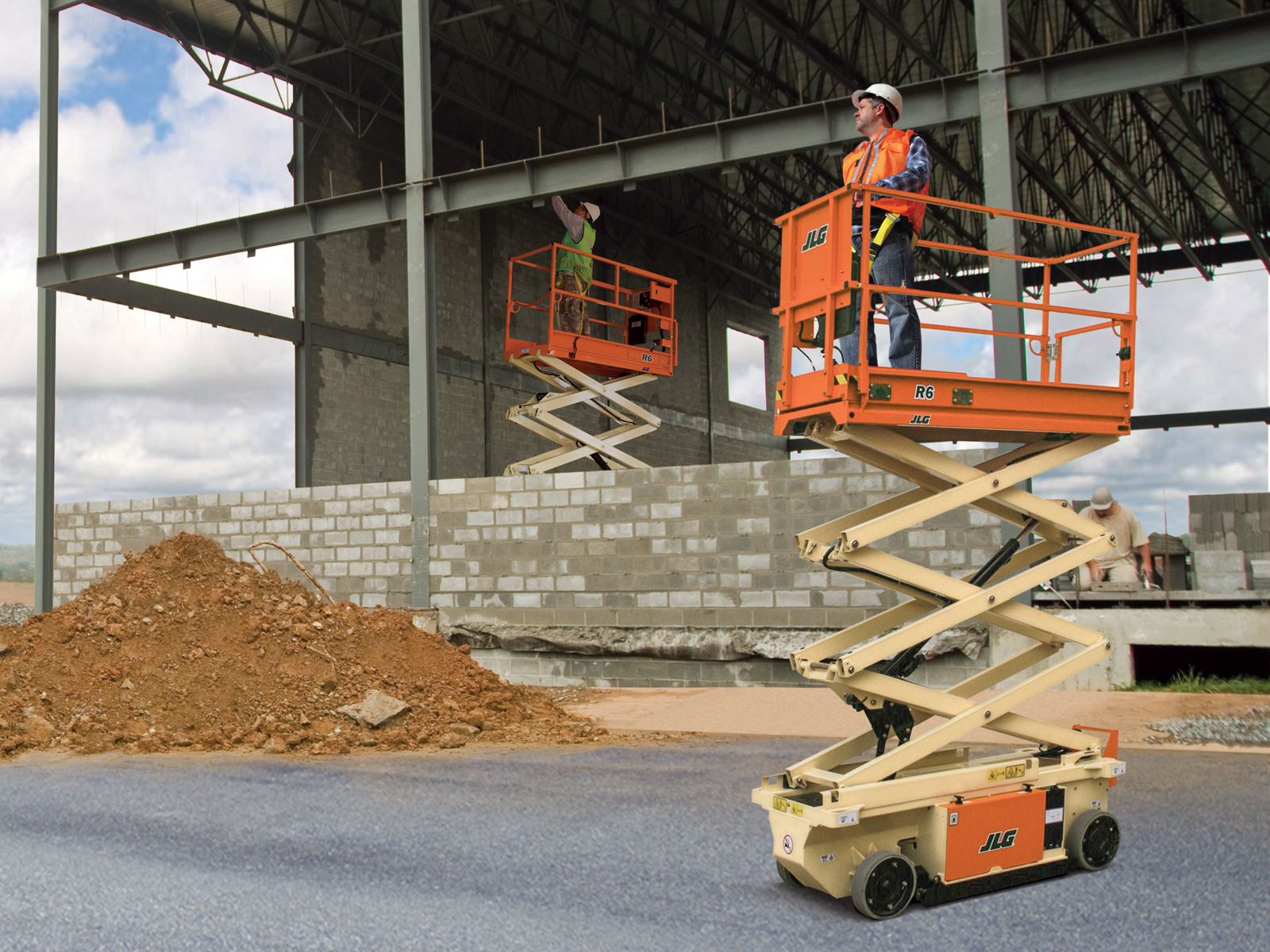
Scissor lift rentals greatly improve job site efficiency, enabling teams to execute elevated tasks far quicker than traditional methods such as ladders or scaffolding.
These lifts facilitate better access to hard-to-reach work areas, thereby minimizing downtime and enhancing team collaboration due to their ability to maneuver over obstacles seamlessly.
Financially, renting scissor lifts is advantageous. It comes with lower upfront costs and maintenance savings, as rental firms oversee the upkeep of the equipment.
Flexible rental agreements promote predictable budgeting, adapting to diverse project timelines without any unwelcome surprises.
Today’s scissor lifts are often outfitted with modern safety features that significantly lower the risk of workplace accidents, greatly boosting worker safety.
Many rental companies provide comprehensive training programs tailored to scissor lift operation, which aids in meeting safety regulations and bolstering worker confidence.
Selecting the appropriate scissor lift necessitates an evaluation of height and weight requirements tailored to project specifications—this ensures both safety and effectiveness.
Maximizing Job Site Efficiency with Scissor Lift Rentals
How Scissor Lifts Save Time on Projects
The construction realm frequently grapples with tight timeframes. Bidders often highlight the urgency of project completion. A scissor lift rental can shift the dynamic entirely, allowing teams to address elevated tasks with outstanding efficiency. By sidestepping cumbersome ladders or scaffolding that waste hours, scissor lifts present a fast and stable platform for accomplishing work.
Imagine a contractor tasked with painting the expansive ceiling of a warehouse. Traditional methods might stretch over days or even weeks. However, utilizing a scissor lift significantly cuts down this timeframe, enabling workers to finish within hours. These lifts eliminate constant repositioning that can hinder progress, which in turn drives up productivity. In a landscape where every second counts, the efficiency gained through scissor lifts is irrefutable.
Streamlining Access to Raised Workspaces
Tricky access points and uneven surfaces can complicate any construction project. Scissor lifts navigate obstacles effortlessly, offering access to heights unattainable with ladders. Experts indicate that the ease of positioning a lift across various terrains keeps workflow disruptions at bay, minimizing downtime considerably.
Quick access to elevated workspaces doesn’t just ramp up efficiency; it also fosters improved teamwork among members. Team interactions free from barriers can elevate creativity and overall effectiveness. Additionally, morale gains when confronting challenging tasks become immensely noticeable.
Cost-Effective Solutions: Why Renting is Smarter
The Financial Advantages of Renting vs. Buying
The dilemma of purchasing versus renting equipment, such as scissor lifts, often looms large for many businesses. The benefits of renting are compelling concerning financial considerations. Acquiring equipment outright can lead to staggering upfront costs, while scissor lift rental allows companies to conserve cash flow, reserving those funds for essential investments elsewhere.
A frequently overlooked advantage of renting lies in not having to shell out for maintenance and repairs. As equipment ages, its performance usually diminishes, leading to demanding repair expenses. Rental firms take care of maintenance, easing the burden on clients. So, why immobilize cash on a depreciating asset when renting offers a more flexible and economically viable solution?
Predictable Budgeting with Flexible Rental Terms
Complex projects often come with shifting timelines, which complicates precise cost forecasts. Renting equipment enables predictable budgeting that aids in navigating these uncertainties. Clients are free to select rental terms that match their project timelines, be it days, weeks, or even months.
Establishing a clear budget in advance helps eliminate unexpected costs, allowing teams to zero in on what truly matters—delivering exceptional outcomes. Many rental companies offer all-inclusive packages, covering aspects like delivery, pickup, and service, which streamlines budgeting even further. Options like these empower businesses to scale their equipment needs according to immediate demands without the fear of overspending.
Safety First: Enhancing Worker Security on High Grounds
Built-in Safety Features of Modern Scissor Lifts
Safety at heights should never be an afterthought. Modern scissor lifts come outfitted with a variety of sophisticated safety features to keep workers protected. They often include guardrails, automatic braking systems, and advanced stabilization technology to prevent tipping over. Many models also incorporate limit switches, ensuring lifts do not exceed predetermined height limits—an essential safety enhancement.
Clients frequently report a reduction in on-site accidents directly associated with the use of these advanced lifts. With a focus on workforce safety, investing in scissor lifts can have an immediate positive effect on workplace culture. Workers feel more secure, enabling them to concentrate on their tasks instead of worrying about precarious conditions.
Training and Compliance: What Rentals Provide
Training is non-negotiable when it comes to scissor lift operation. While some businesses might be hesitant about the costs of training, numerous rental agents offer comprehensive training programs as part of their services. These initiatives equip all workers with the knowledge and skills necessary for safe lift operation.
Training typically encompasses critical aspects like operational guidelines, safety protocols, and emergency preparedness. When workers partake in hands-on training, their confidence tends to rise—a factor that directly influences their job performance. Moreover, adhering to OSHA regulations can prevent considerable headaches later on.
Choosing the Right Scissor Lift for Your Specific Needs
Height and Weight Considerations: Finding the Perfect Fit
No two projects are identical, and neither are scissor lifts. Selecting the right model involves considering height and weight specifications particular to the job. Each lift has varying maximum heights and weight capacities, with some designed to support heavier loads than their counterparts. It’s not merely about reaching elevation; ensuring safety is paramount.
A smaller lift might suffice for indoor tasks, whereas larger projects may necessitate bigger, more robust machines. Picking the wrong size can lead to both inefficiencies and accidents, underscoring the importance of carefully assessing project needs. Experts recommend consulting with rental agents who can offer insights into the ideal lift for the job at hand.
Evaluating Project Requirements for Optimal Equipment
Every construction undertaking calls for specific tools. Having a clear understanding of project parameters is crucial for identifying the most effective equipment. Assessing aspects like span length, site conditions, and load capacities can lead to selecting the perfect scissor lift for a task. Teams should pose the right questions, including:
- What tasks will the lift be utilized for?
- What weight capacity will it need to support?
- What’s the maximum height required?
- Is the project situated indoors or outdoors?
Each project may require tailored solutions, making it essential to customize choices for optimal results. Whether for window cleaning or maintenance work on rooftops, pairing the correct lift model with the specific job can go a long way toward ensuring success.
In summary, scissor lift rentals present substantial benefits that boost efficiency, safety, and overall project accomplishment. Embracing these devices unlocks new realms of productivity while maintaining budgetary control. Familiarity with these advantages may give businesses the competitive edge they need to thrive in an ever-evolving construction industry.
FAQ
What types of projects are scissor lifts best suited for?
Scissor lifts shine in diverse applications, particularly for tasks conducted indoors, maintenance endeavors, or jobs requiring significant elevation. Whether painting, installing lighting fixtures, or working on HVAC systems, these lifts provide effortless access and operational efficiency across numerous industries.
How can businesses determine the right rental company for scissor lifts?
Assessing rental companies involves scrutinizing their equipment inventory, maintenance habits, and customer service quality. Clients should also evaluate any support services offered, including training programs, ensuring a seamless rental experience that aligns with project objectives.
What safety certifications should workers have to operate scissor lifts?
Operating scissor lifts typically necessitates OSHA certification, guaranteeing that workers are informed about safety standards and operational guidelines. Rental companies often provide training to help workers acquire these vital certifications before they start their assignments.
Are there environmental considerations when using scissor lifts?
Absolutely, environmental elements do factor into lift selection. For outdoor projects, it’s important to consider how well the lift can withstand weather conditions while indoor usage should account for floor load limits and spatial constraints to maintain safe and effective operations.
Can scissor lifts handle uneven terrain or obstacles?
Scissor lifts can maneuver over uneven surfaces and obstacles to certain extents, thanks to their design. Nonetheless, specific models may offer enhanced stability features suited for more challenging terrains, making the choice of lift model critical based on job site conditions.
How do clients ensure compliance with local regulations when renting scissor lifts?
Clients are encouraged to familiarize themselves with local safety regulations governing the usage of scissor lifts and should work closely with rental companies that can offer guidance on compliance. Many reputable rental services provide assistance in understanding legal obligations, ensuring adherence throughout the duration of the project.
What maintenance responsibilities do clients have during a rental period?
Typically, clients aren’t responsible for routine maintenance while renting, as most rental firms oversee upkeep. However, clients should conduct basic inspections and promptly report any issues to the rental provider to avoid potential complications.
How can teams improve coordination and communication while using scissor lifts?
Enhancing communication can be achieved by assigning team leaders to delegate tasks according to lift capabilities. Additionally, utilizing headsets or other communication tools can further streamline coordination, fostering smooth collaboration as workers operate scissor lifts at height.
Useful Resources
- Occupational Safety and Health Administration (OSHA)
- National Commission for the Certification of Crane Operators (NCCCO)
- Scissor Lift Industry Information
- Tools of the Trade
- Construction Dive – Industry News
- FM Link – Facility Management
- American Rental Association (ARA)
- Equipment World – Construction Equipment News

Comments are closed.