
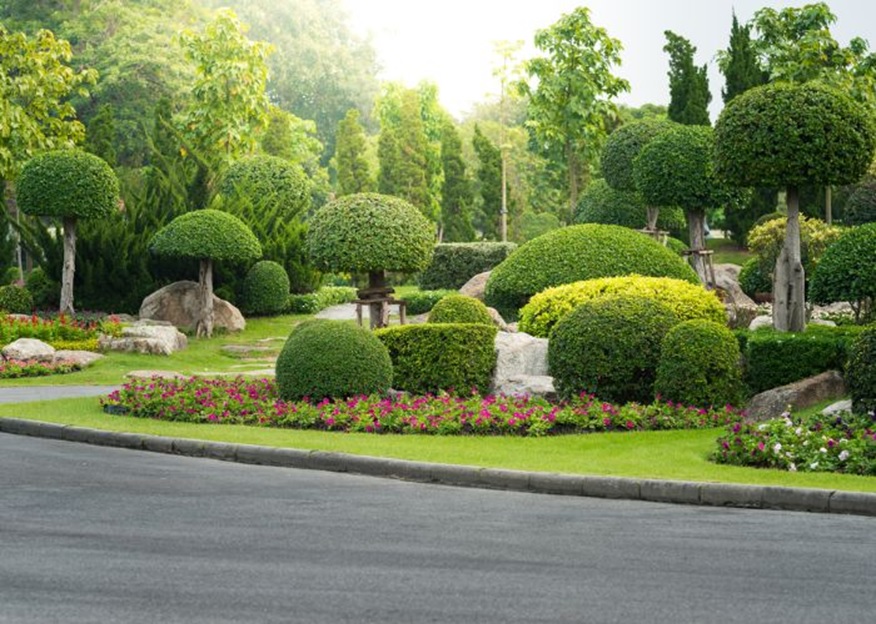

Creating an Outdoor Space That Works as One
A well-planned yard is more than a collection of attractive plants or a patio placed near the back door. Each feature should have a clear purpose and connect naturally with the rest of the property. Plants bring life, color, shade, and seasonal interest. Hardscaping creates structure and usable paths. Outdoor living features give you places to relax, gather, cook, or enjoy a quiet moment outside.
Effective landscape design in Rhode Island brings these separate elements together into one practical and welcoming space. When each part supports the others, your yard can feel organized without appearing rigid. It can also become easier to use, maintain, and enjoy throughout the changing seasons.
This article will explain how thoughtful planning connects planting areas, built features, and outdoor living spaces. It will also help you recognize the choices that affect movement, comfort, appearance, drainage, and maintenance.
Start With the Purpose of the Space
Before selecting plants or materials, think about how you want to use the property. A yard designed mainly for entertaining will require different features than one intended for gardening, quiet relaxation, or active recreation.
Consider the activities that matter most to you. You may want an outdoor dining area, a fire feature, space for children to play, or a peaceful garden with seating. Think about how many people will regularly use the space and how they will move between the house, driveway, patio, and lawn.
The site itself should also guide the plan. Sun exposure, shade, wind, slopes, soil conditions, and existing drainage patterns can affect where features should be placed. Studying these conditions early can prevent awkward layouts and unnecessary changes later.
Use Plants to Add Life and Character
Plants often provide the most visible personality in landscape design. Trees, shrubs, grasses, flowers, and ground covers can create privacy, soften property lines, frame views, and guide attention toward important areas.
Plant selection should account for mature size rather than appearance at the time of purchase. A small shrub may eventually spread across a walkway, while a young tree could grow too close to a roof or utility line. Proper spacing gives each plant room to develop without crowding nearby features.
Seasonal variety also matters. Spring flowers, summer foliage, autumn color, and evergreen structure can prevent the yard from appearing empty during part of the year. Combining different heights, textures, and bloom periods creates visual interest without making the planting beds feel chaotic.
Native and regionally suitable plants may require less additional care once established because they are adapted to local growing conditions. They can also support birds, butterflies, and other beneficial wildlife.
Let Hardscaping Create Structure
Hardscaping includes patios, walkways, retaining walls, steps, edging, stone borders, and other built features. These elements form the framework that organizes the softer parts of the yard.
Walkways should provide clear and comfortable routes between frequently used areas. A direct path may work well between a driveway and the entrance, while a curved garden path can create a slower, more relaxed experience.
Material choices should complement the building and surrounding environment. Brick can add warmth and traditional character. Natural stone may create an organic appearance. Concrete pavers offer many shapes and patterns. Gravel can work well in informal areas where good drainage is important.
Hardscaping should not dominate the entire property. Too many solid surfaces can make a yard feel harsh and may increase runoff. Plants placed along patios, walls, and paths help soften edges and create a smoother visual transition.
Connect Indoor and Outdoor Living
Outdoor living areas work best when they feel like a natural extension of the interior. Consider which indoor rooms connect to the yard and how those rooms are used.
A patio near the kitchen can make outdoor dining more convenient. A seating area outside a living room can provide an easy spot for conversation. Large doors or clear views through windows can strengthen the connection between indoor and outdoor spaces.
Comfort should guide the placement of each feature. Shade from trees, pergolas, or covered structures can make seating areas more useful during warm weather. Wind protection may be needed in exposed sections of the property. Lighting can help people move safely and enjoy the space after sunset.
Furniture, cooking areas, fire features, and storage should be included in the early plan. Adding them later without enough room can lead to crowded walkways or awkward arrangements.
Balance Open Space With Defined Areas
A successful layout needs a balance between open areas and smaller activity zones. Too much open lawn may feel unfinished, while too many separate features can make the property feel cramped.
Planting beds, low walls, changes in paving materials, and carefully placed trees can define spaces without fully closing them off. For example, a row of shrubs may separate a dining patio from a play area while still allowing both spaces to feel connected.
Repeating materials and plant varieties can create unity across the property. The same stone used in a walkway might appear again around a fire feature. A plant used near the entrance can be repeated beside the patio. These small connections help the entire landscape design feel intentional.
Plan for Water and Drainage
Water movement should be considered before installing patios, walls, or planting beds. Poor grading may direct runoff toward the building, create puddles, or wash soil away from plants.
Permeable surfaces, rain gardens, properly placed downspout extensions, and healthy planting areas can help water soak into the ground. Slopes may require retaining walls or carefully chosen plants to reduce erosion.
Planting areas should also be grouped according to similar water needs. This makes irrigation more practical and helps avoid giving some plants too much water while others receive too little.
The United States Environmental Protection Agency WaterSense landscaping guidance explains how appropriate plants, healthy soil, and careful maintenance can support a water smart yard. Readers can use this official resource when researching plant choices and outdoor water use.
Think About Maintenance Before Installation
Every yard requires some level of upkeep, but the amount depends on the design. Large lawns may need frequent mowing. Formal hedges require regular trimming. Certain paving materials may need cleaning or joint maintenance.
Choose features that match the time and effort you are comfortable providing. Ground covers can reduce exposed soil in some areas. Mulch can help manage weeds and protect soil. Drip irrigation may place water closer to plant roots than broad spray systems.
Access also matters. Leave enough room to move equipment, clean patios, trim plants, and reach drainage components. A beautiful feature can quickly become frustrating when routine care is difficult.
Build the Project in Practical Phases
A complete outdoor plan does not always need to be installed at once. Creating the full layout first allows the work to be divided into manageable phases without losing the connection between features.
Structural work usually comes before delicate planting. Grading, drainage improvements, patios, walls, utilities, and major walkways should generally be completed before flower beds and smaller plants are installed.
Phased work also gives you time to observe how the property functions. You may discover that a seating area needs more shade or that a path should be wider. These observations can guide later decisions without changing the overall vision.
Conclusion
Plants, hardscaping, and outdoor living features each play a different role, but they are most effective when planned together. Plants add movement, softness, color, and shade. Hardscaping creates structure and directs traffic. Living areas turn the property into a place where you can spend time comfortably.
A thoughtful landscape design considers how the yard will look, how people will move through it, how water will drain, and how much care each feature will require. When these details work together, your outdoor space can feel attractive, useful, and connected to your daily life.
To explore practical ideas for bringing plants, hardscaping, and outdoor living areas together, contact Rhode Island Landscaping And Design and discuss a plan shaped around your property and the way you want to use it.

Comments are closed.