
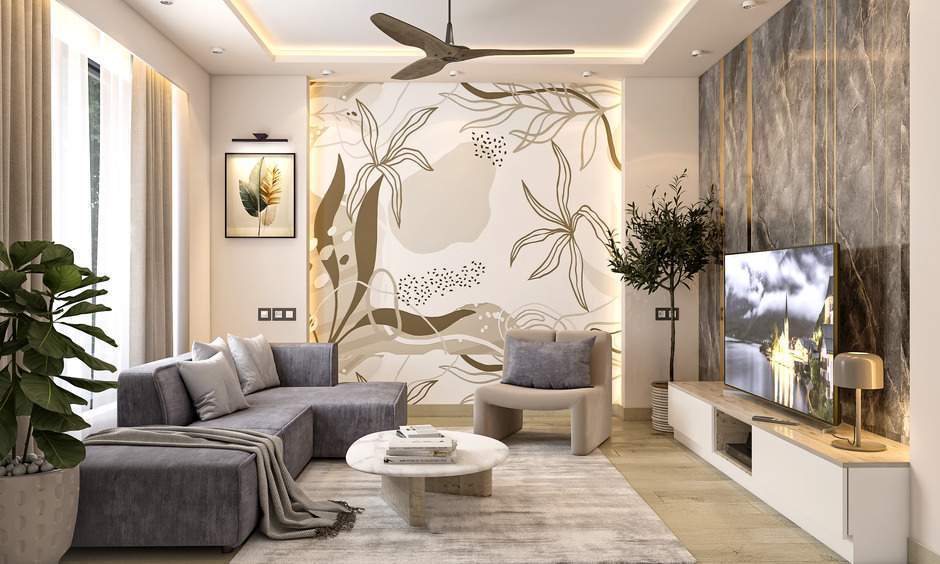

High-end interior design is rarely about how much money was spent on individual showroom tags; it is about how deliberately a room is orchestrated. Wealthy, architecturally striking interiors do not feel luxurious because they are filled with gold trim or celebrity-designer signatures. They feel luxurious because they exude a sense of permanence, architectural proportion, and quiet intentionality.
When a space feels disjointed or cheap, the culprit is seldom a modest budget. More often, it is poor scale, harsh overhead lighting, visual clutter, and thin, insubstantial materials. By mastering the core styling principles that professional decorators rely on, you can elevate everyday rooms into refined, magazine-caliber spaces without draining your savings.
Master the Illusion of Height Through Scale and Placement
One of the fastest ways to downgrade a room is hanging undersized decor or skimping on window treatments. High-end homes always feel expansive, and you can mimic that grandeur through deliberate spatial manipulation.
Window treatments are the prime candidate for this upgrade. Standard store-bought curtains are often hung directly above the window casing and stop an inch or two short of the floor, creating the architectural equivalent of wearing trousers that are four inches too short. To make eight-foot ceilings feel like ten-foot vaults, mount your curtain rods just two to three inches below the ceiling line, extending the rod ten to twelve inches past the window frame on each side.
When hung high and wide, curtains frame the full glass without blocking natural daylight, tricking the eye into believing the window and the wall are significantly larger than they are. Choose heavyweight linen or linen-blend panels that lightly kiss or pool on the floor, and double up on panels for rich, gathered volume rather than sad, stretched fabric.
Apply this same generous scale to wall art. A cluster of tiny, haphazard picture frames often looks busy and fragmented. Instead, invest in a single, large-scale piece of art or thrift a substantial antique wood or gilded frame. Framing an oversized architectural photograph with an exaggerated wide white mat turns a budget-friendly print into an arresting gallery centerpiece.
Create Custom Architecture with Moldings and Millwork
Plain drywall boxes feel generic and builder-grade because they lack architectural shadow lines. High-end homes, particularly historic brownstones and luxury estates, draw their elegance from millwork, wainscoting, and deep baseboards.
You do not need a master carpenter to achieve this depth. Simple picture frame molding applied to blank walls creates instant architectural gravitas for the cost of basic primed pine or composite trim from a local hardware store. Using a laser level, painter’s tape, and a miter box, you can map out symmetrical panels across a feature wall or down a hallway. Once nailed and caulked, painting the molding the same shade as the wall delivers refined architectural character that makes standard drywall look custom-built.
Similarly, prefabricated, flat-pack bookcases can be transformed into bespoke built-in libraries with modest carpentry hacks. By anchoring basic shelving units to wall studs, joining them together, and framing the top with crown molding and the bottom with baseboards that match your room, the units cease to look like freestanding furniture. Caulk every seam, fill shelf pin holes, and coat the entire assembly in an oil-based enamel paint for a seamless, architectural finish that mimics custom cabinetry.
Ditch the Overhead Glare and Layer Your Lighting
Nothing diminishes an otherwise beautiful interior faster than reliance on a single, blazing ceiling fixture. The harsh, downward wash of a standard flush-mount fixture flattens textures, casts unflattering shadows, and creates an institutional atmosphere.
Luxury spaces rely exclusively on layered lighting schemes. Aim for at least three distinct sources of light in every room, distributed across varying heights. Introduce warm table lamps with textural ceramic or stone bases, slender floor lamps near armchairs, and directional picture lights above framed art. If you lack hardwired wall sconces, choose wireless, rechargeable LED puck lights mounted inside designer sconce fixtures to create upscale ambient light without the cost of an electrician.
Equally critical is the color temperature of your bulbs. Cold white light reads as sterile, like a commercial clinic or grocery warehouse. Standardize all interior living areas to warm white bulbs between 2700K and 3000K. Adding plug-in tabletop dimmer switches or smart plugs allows you to dial down illumination as evening approaches, creating the moody, ambient glow that defines high-end hospitality design.
The Transformative Power of Color Drenching
If your budget allows for only one substantial update, paint delivers the highest return on investment. However, instead of the predictable strategy of painting walls a neutral color and leaving doors and trim in standard builder-grade white, adopt the designer practice of color drenching.
Color drenching involves painting the walls, baseboards, door frames, window trim, and sometimes even the ceiling in the exact same hue, varying only the sheen—matte or eggshell for walls, satin or semi-gloss for woodwork. This technique eliminates high-contrast lines that visually chop up a room, creating a seamless, enveloping atmosphere that feels opulent and deliberate. Rich, earthy tones like olive drab, deep terracotta, muted taupe, or inky navy look remarkably luxurious when drenched, making modest architectural quirks look like intentional period details.
Focus on High-Touch Details and Weighted Hardware
Luxury is a tactile experience. You can easily spot inexpensive furnishings by how light and hollow they feel to the touch. Elevating a room often comes down to upgrading the micro-interactions you encounter daily.
Replace flimsy, hollow cabinet knobs and drawer pulls on kitchen cabinetry, bathroom vanities, and nightstands with solid brass or blackened bronze hardware. Weighted, solid metal with knurled detailing or an unlacquered living finish instantly elevates standard furniture.
Apply this same tactile rigor to soft furnishings. Throw pillows filled with stiff polyester hold unnatural, boxy shapes and look synthetic. Discard the polyester inserts and replace them with oversized feather-down or micro-denier down-alternative inserts that are two inches larger than the pillow cover itself. A twenty-two-inch insert tucked inside a twenty-inch heavy linen or velvet cover yields a plump, heavyweight pillow that can take a soft karate chop, evoking the relaxed elegance of high-end boutique hotels.
The Luxury of Editing and Negative Space
The most accessible design tool costs nothing at all: restraint. Inexperienced decorators often fall into the trap of overfilling every flat surface, purchasing knick-knacks and mass-produced wall art to ensure no corner sits empty. The result is visual static.
True luxury thrives on negative space—the deliberate emptiness that allows extraordinary pieces to be appreciated. Clear clutter off mantels, coffee tables, and credenzas. Instead of scattering dozens of small decorative objects, display one substantial, sculptural ceramic bowl, a single heavy branch in a tall glass vase, or a curated stack of linen-bound books. Sourcing one unique, timeworn antique or sculptural vintage vessel from an estate sale or architectural salvage yard adds soulful character and history that mass-produced home goods cannot replicate.
Elevating your living space has remarkably little to do with the size of your wallet and everything to do with visual discipline. When you respect proper proportions, invest in rich textures, layer warm ambient lighting, and strip away distracting clutter, your home stops looking like a collection of budget purchases. It becomes an intentional, cohesive sanctuary that exudes sophistication from every angle.

Comments are closed.